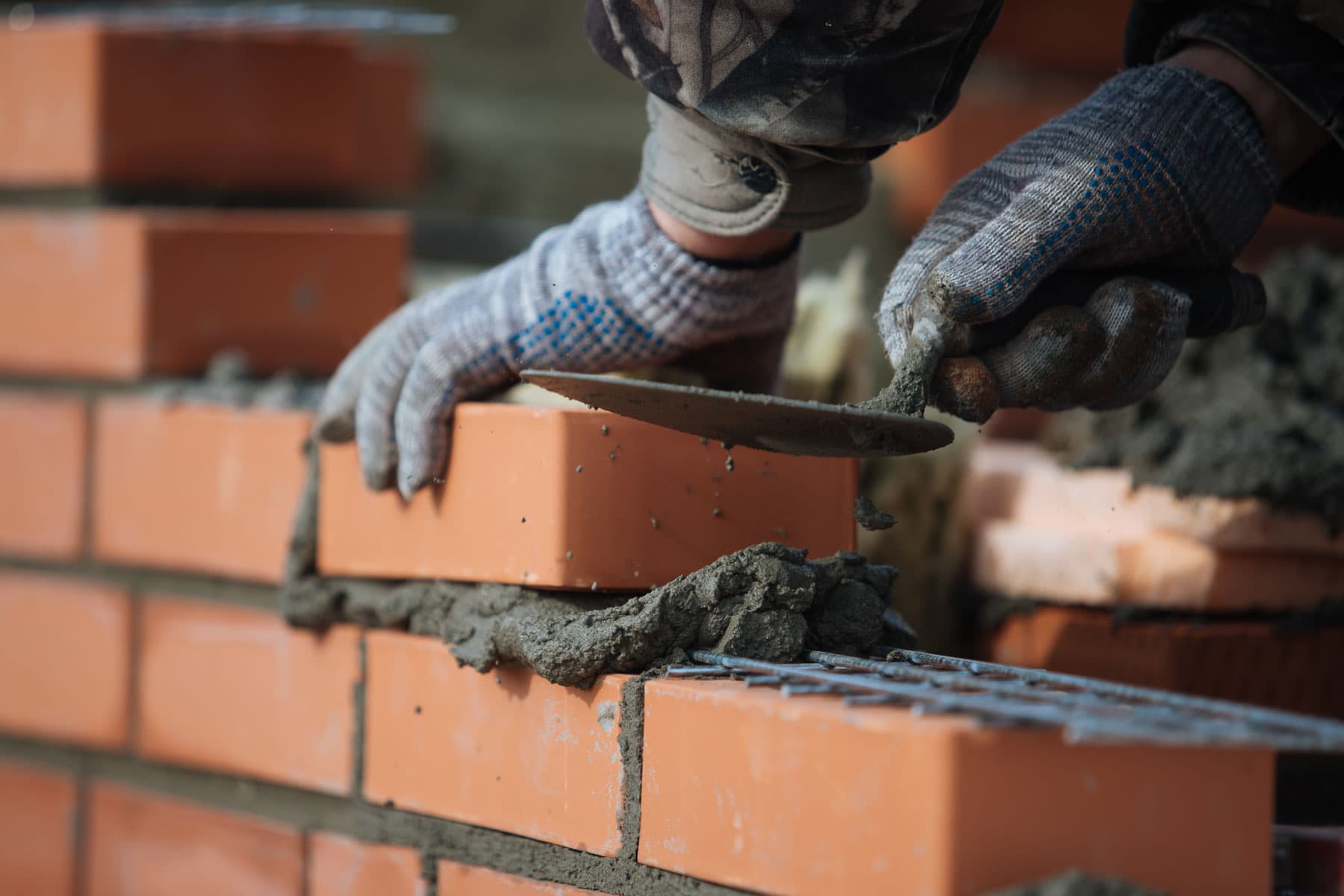
The mortar between your bricks has a harder job than the bricks themselves. It's the sacrificial layer — designed to take the weather, flex with the wall, and be replaced every few decades. The bricks can last a century; the mortar usually can't. In a wet climate like the Lower Mainland, knowing when that mortar has given up is the difference between a straightforward repair and a wall that has to be rebuilt.
Here's how to read your own brickwork like a mason would.
The Key Test: Can You Scratch It Out?
The fastest check anyone can do takes ten seconds. Take a key, a screwdriver, or even a strong fingernail and drag it across a mortar joint.
- If the mortar is hard and the tool skips across it — you're fine for now.
- If it crumbles, flakes, or you can dig out sandy grit — the mortar has failed and it's time to repoint.
Soft, sandy mortar means water is already getting behind the face of the wall. Once that happens, our freeze-thaw winters do the rest: water gets in, expands when it freezes, and pushes the joint apart from the inside.
The Warning Signs, Ranked by Urgency
1. White chalky staining (efflorescence)
Those white, powdery patches on the brick aren't just cosmetic. They're mineral salts being carried out of the wall by moisture moving through it. Efflorescence is a signal that water is travelling inside your masonry — which is exactly what good mortar is supposed to prevent.
2. Gaps, cracks, and missing chunks of mortar
Open joints are an open door. Any spot where you can see daylight, a visible crack, or a section where mortar has fallen out entirely is letting water straight into the wall core.
3. Spalling or flaking brick faces
When the face of a brick pops off, blisters, or flakes away, that brick has been getting saturated and freezing. This is a step beyond mortar failure — it means water has been sitting in the brick itself. Spalled bricks need to be cut out and replaced, not just pointed over.
4. A wall that sounds or feels hollow
If sections feel loose or move slightly, the bond between brick and mortar is gone. This is the most serious sign and needs a professional assessment quickly.
Why You Shouldn't Wait
Repointing is one of the most cost-effective repairs in masonry — if you catch it early. The problem compounds: failed mortar lets in water, water spalls the brick, spalled brick exposes more mortar, and what could have been a tidy repointing job becomes brick replacement or a partial rebuild.
Done properly and on time, repointing buys you decades. Left too long, you're paying to rebuild.
The One Mistake That Ruins a Repointing Job
If you take nothing else from this article: the new mortar has to match the old. This trips up DIYers and cut-rate contractors constantly.
Old, soft brick paired with modern hard Portland-cement mortar is a recipe for damage. The hard mortar won't flex with the wall, so the brick cracks instead of the mortar. On heritage and older Surrey homes especially, the mortar has to be mixed to the right strength, colour, and joint profile — both so it performs and so the repair blends in instead of looking like a patch.
This is why matching mortar on older homes is a craft, not a caulking job. We mix to match the existing colour and tooling so the repair disappears into the wall.
While You're Looking — Check the Chimney
The same mortar failure happens fastest where the weather hits hardest, and nothing is more exposed than your chimney above the roofline. If your wall mortar is going, your chimney mortar is very likely worse. Brown staining on a ceiling near the chimney, or loose mortar up top, points to the same root cause — and chimney leaks get expensive fast once they reach drywall and framing. If you spot it, our chimney repair service covers repointing, crown rebuilds and flashing.
The Bottom Line
Walk the exterior of your home once a year, ideally in early fall before the rains set in. Do the scratch test on a few joints, look for white staining and flaking faces, and pay attention to the chimney. Brick is a 50-to-100-year material — but only if the mortar protecting it is maintained.
If you're seeing any of the signs above and you're in Surrey or the Lower Mainland, we offer free on-site assessments and will tell you straight what needs doing now and what can wait. Get in touch for a free estimate.